The Invitation Accepted: A Repeatable Routine for a Bath Pub Lunch with a Mobility Aid

Photo by Photo by Linda Gerbec on Unsplash on Unsplash
A Sunday roast invitation should not require a leap of faith. In Bath, the difference between a relaxed lunch and a tiring afternoon is usually preparation rather than the willingness of the venue. The city has many pubs in listed buildings, with side doors, courtyards, thresholds and narrow staircases that are not always obvious from the pavement. What follows is a routine, not a list of recommended venues: a way of turning an invitation into a manageable outing.
Begin with the invitation, not the venue
When a friend or family member suggests a pub, the first reply need not be yes or no. Ask three questions: what time, how long is the table booked for, and has the person suggesting it been there before. If they have not, offer to telephone ahead. A short call is rarely unwelcome, and it is more reliable than an online booking form that has no space for access questions.
The questions worth asking before booking
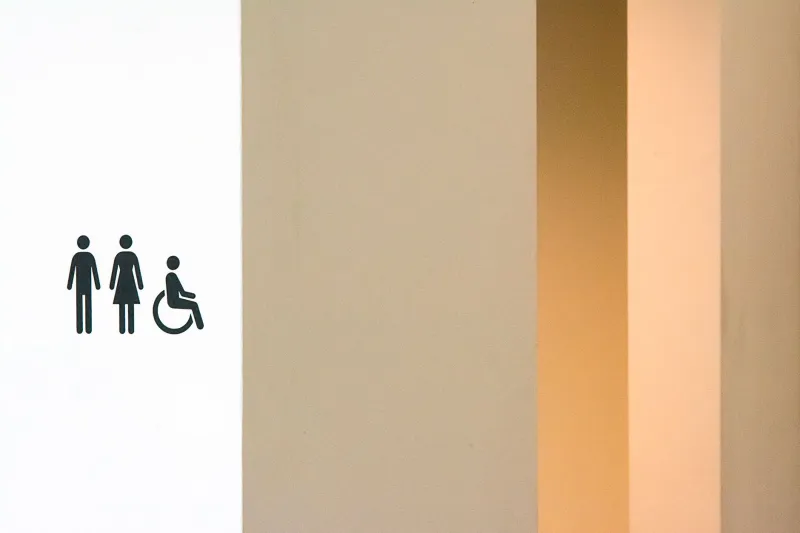
It helps to have a small script. For the entrance, ask whether there is a step-free route from the pavement to the dining area. Ask about door widths, thresholds and whether access is via a side entrance or courtyard. For the toilet, ask whether an accessible toilet is on the same level as the dining room, whether it requires a Radar key, and whether there are grab rails. For seating, ask whether a wheelchair or rollator can be accommodated beside a table rather than at the end of a fixed bench, and whether a chair with arms is available. For parking, ask about the nearest drop-off point. For charging, ask whether a scooter could be charged during lunch and whether the socket is accessible without creating a trip hazard. Finally, ask which sitting is quieter; in Bath, a noon arrival is often calmer than one at half past twelve.
The journey there: choose a line and keep to it
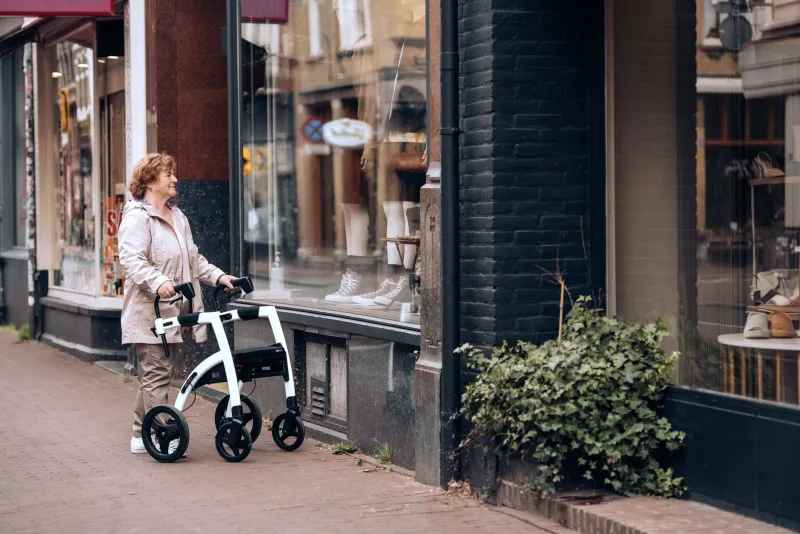
Bath’s centre is compact but not flat. Routes from the main car parks involve slopes and crossings. Charlotte Street car park is central but has inclines nearby; Avon Street car park sits close to the bus station; Manvers Street is convenient for the station and the city centre. Bus passengers will find many services stopping near the bus station, but the final walk to a pub may include uneven paving. Scooter users may wish to avoid the cobbles around the Abbey and the narrower pavements where delivery vehicles stop. In wet weather, a taxi is a reasonable choice; ask when booking whether the vehicle can accommodate a folded rollator or a scooter, and for wheelchair users confirm that an accessible taxi is available.
Parking and the final hundred metres
A Blue Badge belongs to the person, not the vehicle, and central Bath has limited on-street disabled bays. Council car parks are generally the more dependable option. The last hundred metres often decide the tone of the outing: a kerb, a narrow pavement, a parked van or a temporary barrier can undo a well-planned journey. It is worth checking the route in advance, either by asking someone who knows the street or by using an online street-level view. Arriving ten minutes early allows time to settle without hurrying.
At the table: seating that works
Do not accept the first table offered if it is a high stool, a bench or a spot directly beside a draughty door. Ask for a table with a straight-backed chair and enough space to park the mobility aid without blocking a walkway. If the accessible toilet is upstairs and there is no alternative on the same level, consider whether a shorter visit or a different venue would be more comfortable. This is not a complaint about the pub; it is simply information that should be gathered before the roast is ordered.
Charging and the scooter
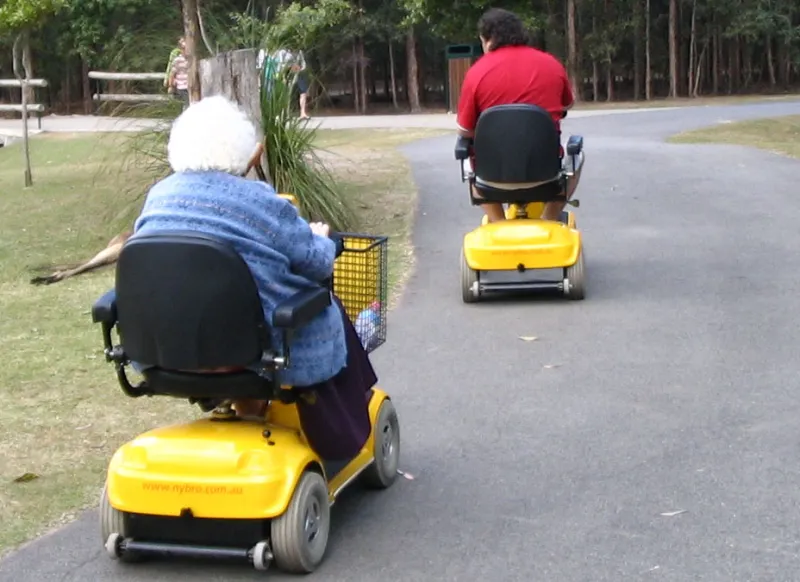
It is unwise to assume that a pub will charge a scooter. Ask when booking: whether there is a socket that could be used during lunch, and whether the scooter can be left charging without obstructing staff or other customers. Some pubs can place it near a bar socket; others cannot. Carry a charged battery and a plan B. If the scooter must remain outside, ask whether it will be within sight or whether there is a secure spot. In colder months, battery range can fall, so the return journey deserves the same attention as the outward one.
The Sunday roast itself
A carvery can involve queuing and carrying plates, which is not always compatible with a rollator or a wheelchair. Table service is easier. Ask staff to bring drinks to the table and to explain how the roast is served. Portion sizes and gravy jugs are practical matters when a table is crowded. Allow more time than a quick sandwich would require; a Sunday roast is not fast food, and the pleasure is in the sitting rather than the speed.
Timing and the return
Bath pubs fill quickly from about half past twelve. Booking the first sitting, or a later one at two o’clock, usually produces a calmer room. In November, darkness arrives early, so the return journey should be planned before dusk. Scooter users should check the battery and remember that cold weather reduces range. A taxi number kept in a pocket is a sensible backup. If lunch runs longer than expected, ask again about charging or leave a little earlier.
A short checklist
- Telephone ahead and ask about entrance, toilet, seating, charging and drop-off.
- Confirm the booking and mention the mobility aid.
- Charge the scooter and pack a Radar key, charger and warm layer.
- Arrive early and use the quietest entrance.
- Ask for table service rather than a carvery queue.
- Plan the return before dark.
The aim is not to find one perfect pub but to make any invitation manageable. A five-minute call and a measured journey turn a Sunday roast into an ordinary pleasure, which is precisely what it should be.