Before the Frost: Winter Care for Scooters, Rollators and Powered Wheelchairs in Bath
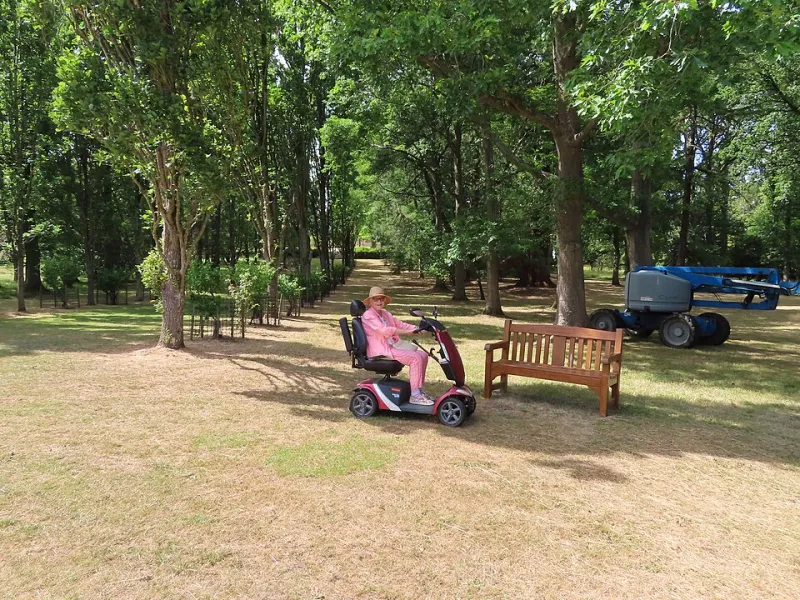
Photo: David Hawgood , CC BY-SA 2.0, via Wikimedia Commons
November in Bath has a character of its own. The cold settles into the stone, the afternoons close in shortly after four, and the pavements between the Paragon and Pulteney Bridge acquire a film of wet leaves that no amount of sweeping quite removes. For anyone who depends on a scooter, a rollator or a powered wheelchair, that shift in conditions changes what the equipment is being asked to do. A machine that coped admirably in July can feel sluggish, skittish or simply invisible by the middle of November.
Most winter problems are foreseeable, and nearly all of them are cheaper to prevent than to repair. What follows is a practical sequence of checks that can be worked through in an afternoon, ideally before the first hard frost rather than after it.
Begin with the battery, because cold is unforgiving
Battery chemistry is temperature-sensitive. Whether a scooter runs on lead-acid or lithium cells, usable capacity falls as the thermometer drops, and a machine that returns home with two bars to spare in June may cut out halfway up a slope in December. A drop of twenty to thirty per cent in range is not unusual on a cold morning.
The remedy is mostly about where the equipment sleeps. Charge indoors, at room temperature, rather than in a cold garage, shed or unheated porch. Charge after every journey rather than waiting for the gauge to fall, and never leave a battery sitting flat for weeks on end. Bring the machine inside an hour before charging so that condensation can clear. If the battery is more than two or three years old, expect it to feel the cold more sharply, and consider whether a replacement before winter is better value than a replacement in February at the roadside.
Tyres, brakes and the parts that are easy to overlook
Check tread depth and, on pneumatic tyres, pressure. Soft tyres grip poorly on wet surfaces and strain the motor. Look for cracking in the sidewalls, which cold makes worse. Spin each wheel and listen; a rumble suggests a bearing that needs attention.
Brakes deserve particular care in a city built on slopes. Test the parking brake on an incline, not on the flat, and check the free play in the cables. A brake that needs to be pulled almost to the grip is a brake that will fail when hands are cold and wet. Tighten any bolts on the tiller, seat and armrests, and confirm that the seat locks firmly in position.
Waterproofing: protect the right things
A cover designed for the machine is worth having, but do not improvise with plastic sheeting that traps moisture or blocks ventilation around the motor and controller. Damp is more damaging than rain. Wipe the frame down after a wet journey, dry the connectors before charging, and keep the charger itself indoors. Never store a charger in a damp cupboard.
Being seen on short afternoons
By late November, dusk arrives during the school run and the commute. Reflective strips on the frame, a working rear light and a high-visibility cover on the back of a walker's basket all help. Reflective clothing matters as much as reflective equipment, because drivers notice movement at eye level first. Where a route involves an unlit stretch, plan the journey for daylight or take a different path.
Surfaces: leaves, setts and camber
Wet leaves behave like grease on the towpath and along Victoria Park. Granite setts around the Abbey and in the oldest lanes offer less grip when damp and can jar small front wheels. Puddles conceal potholes and raised ironwork. Cambered pavements pull a scooter towards the kerb, which is tiring on the hands and unnerving in traffic.
Choose flatter, better-surfaced routes where possible, cross at dropped kerbs rather than mounting them, and reduce speed well before a turn. Ice is the one condition that no amount of technique solves: on a frosty morning, a scooter or wheeled frame is best left at home, and a taxi or a lift is the safer choice.
The walking frame needs attention too
Ferrules, the rubber tips on the legs of a walking frame or rollator, wear smooth and lose grip long before they look obviously damaged. They are inexpensive and quick to replace. Check brake cables, the folding mechanism and the height settings, and make sure any bag is not loaded so heavily that it alters balance. A shiny, glassy tip is a tip that should already have been changed.
Book servicing early
Workshops fill quickly from late November onwards. If a service, tyre change or battery replacement is due, arrange it now rather than in the week before Christmas. Ask what the service covers, whether collection is available, and whether the work affects any remaining warranty.
A short list to keep by the door
- Battery charged indoors, at room temperature
- Tyre pressures and tread checked
- Parking brake tested on a slope
- Wheel bearings and bolts checked
- Cover fitted; charger kept dry
- Lights and reflective strips working
- Ferrules on walkers replaced if shiny
- Route reviewed for leaves, ice and lighting
- Service booked if due
- Cold-weather range allowance made in journey planning
- Spare key and charger stored where they can be found
- Emergency contact and a charged phone carried
None of this takes long, and all of it makes the difference between a winter spent getting out and about and one spent waiting for a repair.