A Calm Route Through the Festive City: Mobility Planning for Bath Christmas Market 2026

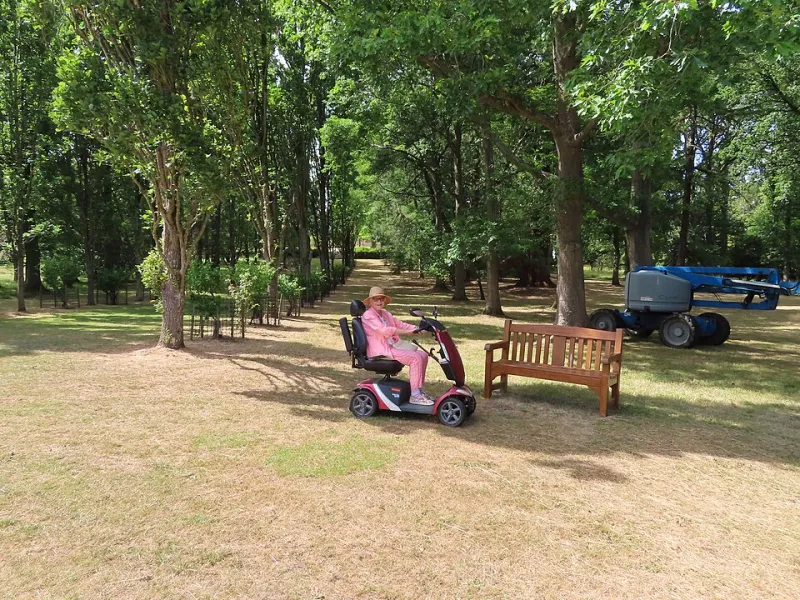
Photo: John Robert McPherson, CC BY-SA 4.0, via Wikimedia Commons
Bath Christmas Market is one of the city's most welcoming seasonal events, but it is also a busy one. For anyone using a mobility scooter, rollator or powered wheelchair, the difference between a stressful afternoon and a pleasant one usually comes down to preparation rather than avoidance. As November 2026 begins, the sensible approach is to treat the market as a short, planned outing with a route, a rest point and a backup plan.
Check the 2026 layout before leaving home
Market layouts change from year to year, and stall positions can alter the width of pedestrian corridors. Before travelling, check the official Bath Christmas Market information for 2026, along with access guidance from Bath & North East Somerset Council. Look for the location of accessible toilets, first aid points, stewards and any clearly marked alternative routes. A printed map is useful, but a screenshot on a charged phone is often more practical in crowded conditions.
The historic centre is beautiful and uneven in equal measure. Areas around the Abbey, Abbey Churchyard and Kingston Parade include cobbled or textured surfaces, while Stall Street and parts of Union Street offer wider, smoother pedestrian movement. It is worth deciding in advance which sections you will treat as slow zones and which you will avoid altogether.
Choose a quieter window
Weekday mornings, shortly after the market opens, are generally calmer than weekends, late afternoons and the period after dark when lights and entertainment draw larger crowds. If you use a scooter, consider daylight for the first visit and keep the evening visit for another year or for a shorter, more controlled outing. Wet weather adds another layer of difficulty: leaves, painted markings and smooth paving can become slippery, and battery performance can be affected by cold.
Crowds are not simply an inconvenience. They reduce turning space, hide kerbs and make it harder for others to see a rollator or wheelchair. A quieter window gives you room to pause, read signs and change direction without feeling rushed.
Plan a low-friction route
A practical city-centre route might begin at SouthGate Bath, where there are level indoor areas, lifts and toilets, before moving slowly towards Stall Street. From there, use the wider pedestrian corridors and treat the Abbey Churchyard and Kingston Parade as optional slower sections rather than essential through-routes. If the market is particularly busy, it is perfectly reasonable to enjoy the atmosphere from the edges and skip the narrowest stalls.
For those arriving by train, Bath Spa station is the natural gateway, but the approach into the city can be busy. Allow more time than you think you need, and avoid committing to a tight train connection. If arriving by bus, Bath Bus Station at SouthGate offers a central starting point with indoor shelter and nearby facilities.
Respect the cobbles and kerbs
Cobbles, setts and raised kerbs demand lower speeds and a more upright posture. On a scooter, reduce speed before textured surfaces and avoid sudden turns. On a rollator, keep the frame steady and do not overload the basket, as extra weight can make the front less predictable. Powered wheelchair users should watch for cambers and drainage channels that can pull a smaller wheel off line.
Dropped kerbs are not present at every crossing point, and temporary market infrastructure can narrow access. Do not assume a ramp will be available at a particular stall. If a route looks tight, take the longer way around. Stewards can offer directions, but they are not necessarily trained to move equipment or provide physical assistance.
Know where the toilets and rest stops are
Accessible toilet provision in the city centre should be checked against the 2026 market map before travelling. SouthGate Bath, the bus station area and public facilities are the usual places to confirm, but opening hours and availability can vary. If a Changing Places facility is essential, verify its location and opening times directly rather than relying on memory or an old online listing.
Rest stops matter as much as toilets. A café with a level entrance, a bench in a quieter side street or a short pause in a shop can prevent fatigue from building. Plan at least one sit-down break for every hour of movement, particularly in cold weather.
Arrange taxis, buses and drop-offs carefully
If using a taxi, book an accessible vehicle and state clearly what you will be travelling with: a folded rollator, a powered wheelchair or a scooter. Dorchester Street, Avon Street and the approaches near James Street West are commonly used for drop-offs, but traffic restrictions and market changes can affect the exact point. Ask the driver to stop somewhere level and safe rather than as close as possible to the stalls.
On buses, not every service has the same space or ramp arrangement. Check with the operator if you are unsure, and allow other passengers time to clear the wheelchair bay. For rail travel, Bath Spa station is the main option, but assistance should be booked in advance if you need it.
Have a realistic backup plan
Charge the scooter or wheelchair fully before leaving, carry a phone and keep the number of a local mobility retailer to hand. Bath Mobility Store and similar local specialists can advise on pre-visit checks, spare parts and practical troubleshooting. A simple puncture kit, a lightweight rain cover and a named meeting point for companions are small measures that make a large difference.
The aim is not to avoid Bath at its most festive. It is to visit on your own terms, with enough time, the right route and a clear exit if the crowds become tiring. A calm plan is the most useful accessory of all.