Hosting with Foresight: A Short-Term Mobility Equipment Plan for Bath Visitors

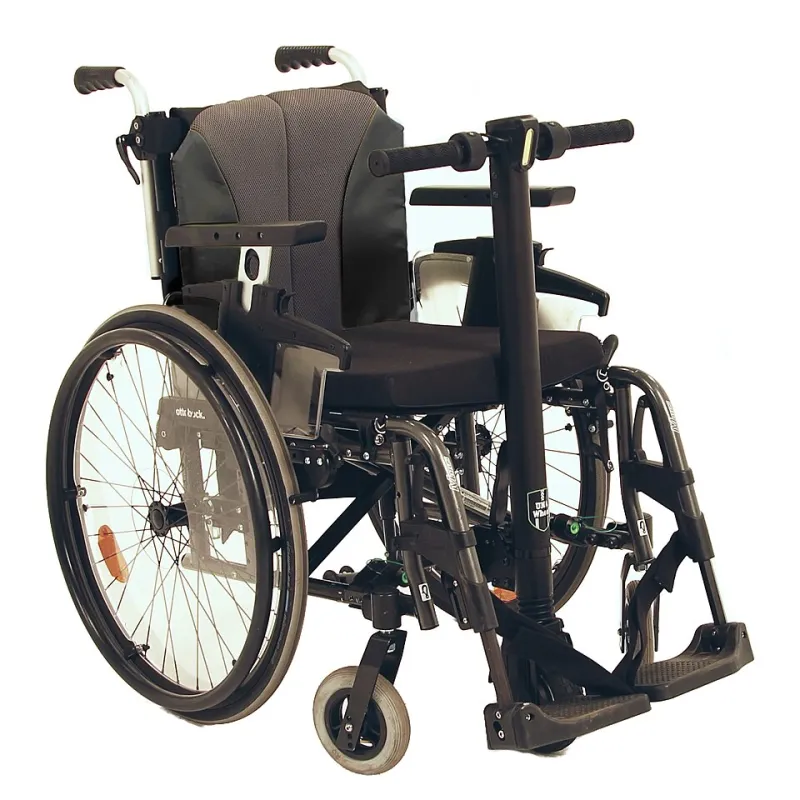
Photo: AnonymousUnknown author, Public domain, via Wikimedia Commons
When relatives or friends visit Bath and need mobility support, the equipment question often arrives late. A wheelchair may be borrowed at the last minute, a scooter hired on the morning of arrival, or a walking frame discovered to be the wrong height after the first walk to the shops. Hosts can reduce this stress by treating short-term mobility equipment as part of the visit plan, alongside accommodation and transport. The aim is not to recreate a clinical setting but to ensure the visitor can move around the city and the home safely, with a clear route to return what has been hired.
Establish the need before booking
Ask the visitor, or their usual carer, what they use at home and what they can manage without. Distinguish between equipment needed for the journey, for the home, and for days out. A person who uses a stick indoors may need a wheelchair for longer distances around Bath, while someone who uses a scooter at home may prefer a manual wheelchair in crowded areas. Record seat height, weight limit, whether a power chair or scooter is familiar, and whether a charger is required. If the visitor is bringing their own equipment, check travel arrangements and battery rules with the transport provider.
Hire, borrow or bring
Short-term hire is usually the most reliable option for wheelchairs and scooters because it includes maintenance and a clear return date. Borrowing from a local charity or community group can work well for walking aids, but check cleanliness, rubber ferrules and height adjustment. Bringing equipment from home avoids unfamiliar controls but adds luggage and insurance questions. For a Bath visit, consider how the equipment will be stored overnight, especially in smaller holiday lets or hotels. Confirm before booking that the accommodation has step-free access, a lift, or somewhere secure to leave a scooter.
Book early and confirm the details
In busy periods, hire stock can be limited. Reserve equipment as soon as travel dates are fixed. Ask what is included: charger, keys, basket, leg rests, cushion, user guide and a contact number for faults. Confirm the collection point and whether delivery is possible. If collecting from a shop, check opening hours against arrival time. For visitors arriving by train at Bath Spa, a short taxi journey may be easier than pushing equipment uphill. Ask whether the hire company provides a brief demonstration; this is especially important for powered scooters.
The collection checklist
At collection, inspect the equipment before leaving the premises. Check tyres, brakes, battery charge, lights, seat adjustment and folding mechanisms. For a scooter, confirm the range and whether the battery can be charged indoors. For a wheelchair, check footplates, armrests and quick-release wheels. Test the controls in a safe space. Make sure the charger is present and matches the equipment. Note any existing damage on the hire agreement and photograph it. Keep the paperwork together with the visitor’s other documents.
Insurance and damage questions
Ask how loss or damage is handled. Some hire agreements include basic cover; others expect the hirer to pay for repairs. Check whether the equipment is insured for use outdoors and whether excess charges apply. If the visitor’s home insurance extends to hired mobility equipment, confirm this in writing. Report faults immediately rather than attempting repairs. Keep the hire company’s number in a phone and in the accommodation.
Plan routes for the equipment, not just the destination
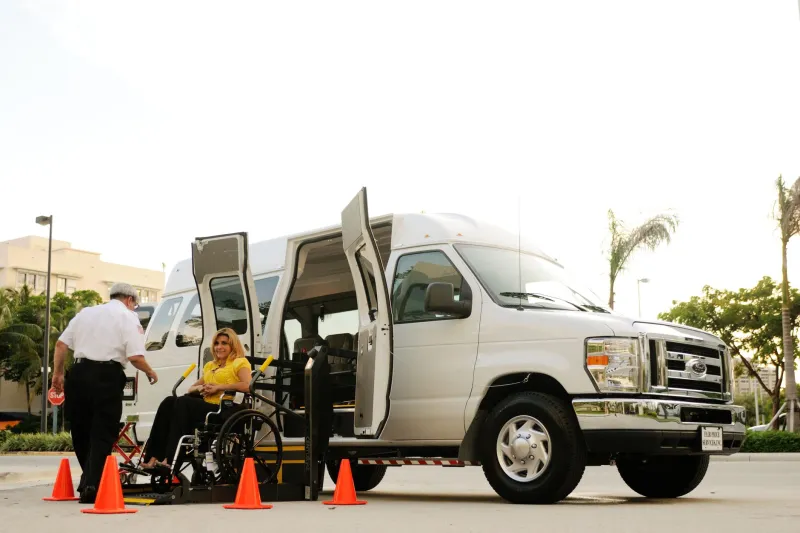
Bath’s pavements vary from smooth modern surfaces to uneven flags and cobbles. A scooter that performs well in a supermarket may feel different on a sloping side street. Plan shorter routes with rest stops, and avoid steep gradients where possible. Check access at attractions, cafes and places of worship. A manual wheelchair may need a strong companion for hills; a powered scooter needs a safe place to park. Consider using park and ride services or taxis for longer journeys.
Charging and overnight storage
Confirm where the equipment will be charged. A scooter charger needs a suitable socket and ventilation; cables should not cross walkways. In a hotel, ask whether charging is permitted and where. For a wheelchair with a powered attachment, check the same. Store equipment securely and keep the charger with it. Label the charger if there is a risk of confusion with other devices.
Return without the last-minute panic
Set a reminder two days before departure to check the return time, location and condition of the equipment. Clean off mud and charge the battery if required. Return all keys, chargers and accessories. Ask for a receipt or confirmation that the equipment has been accepted. If returning by taxi, book a vehicle that can accommodate the equipment. Allow extra time before a train.
A calmer visit
Short-term mobility support works best when it is arranged with the same care as travel and accommodation. By confirming needs, booking early, checking equipment on collection and planning the return, hosts in Bath can spare their visitors an anxious first day and a hurried last one.